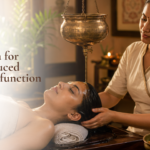
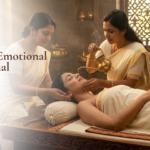
Hormonal imbalance has quietly become one of the most common yet most misunderstood health concerns of our time. From unexplained weight gain and chronic fatigue to irregular cycles and persistent mood swings, millions of people are living with symptoms that conventional medicine often addresses with short-term fixes: a pill here and a patch there.
But what if the real answer lies not in suppressing symptoms, but in healing the root cause?
That is precisely where Ayurveda stands apart. Unlike modern medicine, which frequently targets isolated symptoms, Ayurveda treats the body as a whole, interconnected system. It identifies the underlying imbalance, whether it lies in your digestion, your stress response, or the accumulation of toxins (known as Ama), and works methodically to correct it from within.
The results are not just faster; they are lasting. Ayurvedic healing is not a quick fix. It is a deep, sustained restoration of the body’s natural intelligence. And one of its most powerful tools for achieving this is Swedana therapy.
What is Swedana Therapy?
Swedana, derived from the Sanskrit word “sweda,” meaning “to sweat,” is a classical Ayurvedic steam therapy that uses medicated herbal steam to open the body’s channels (srotas), loosen deep-seated toxins, and restore doshic balance.
It is traditionally administered as part of the Purvakarma (preparatory phase) before Panchakarma detoxification, though it also carries profound standalone benefits.
In a typical Swedana session, the person sits inside a steam chamber while their head remains cool and uncovered. Herbs selected based on the individual’s dosha (Vata, Pitta, or Kapha) are infused into the steam, allowing their active compounds to penetrate the skin and tissues through the open pores.
Hormonal Connection: Why Detoxification Matters
To understand why Ayurvedic therapy for hormonal imbalance works, we need to understand where that imbalance begins. In Ayurveda, hormonal disruption is largely linked to:
Accumulation of Ama (metabolic toxins) in the Rasa and Rakta dhatus (plasma and blood tissues)
Impaired Agni (digestive fire), which disrupts metabolism and hormonal health in Ayurveda
Vitiation of Vata dosha, which governs the nervous system and endocrine signaling
Chronic stress that aggravates both Vata and Pitta
Sweat is one of the body’s three primary waste channels (malas). When it flows freely, it carries out not just physical toxins but also the biochemical residue of stress hormones like cortisol. Detoxification and hormone balance in Ayurveda are therefore inseparable; you cannot achieve one without the other.
Key Swedana Therapy Benefits for Hormonal Health
Benefit
Mechanism
Relevant Dosha
Reduces cortisol levels
Promotes deep sweating and calms the nervous system
Vata, Pitta
Improves thyroid function
Open channels blocked by Ama
Kapha
Supports adrenal health
Relieves physical pain and mental tension
Vata
Regulates the menstrual cycle
Improves pelvic circulation, removes toxins
Vata
Boosts metabolism
Stimulates Agni, burns Ama
Kapha
Enhances skin detox
Opens pores, expels toxins via sweat
All doshas
Reduces inflammation
Herbal steam with anti-inflammatory herbs
Pitta
These Swedana therapy benefits are grounded in both classical Ayurvedic texts and modern research.
Ayurvedic Steam Bath Benefits for Women
Women’s hormonal health is particularly responsive to Ayurvedic detox for hormone balance, and Ayurvedic steam bath benefits for women span across every phase of life.
For reproductive health: Swedana improves blood flow to the pelvic region, helps clear blockages in the uterine channels, and is traditionally recommended in the management of dysmenorrhea (painful periods), PCOS, and amenorrhea (absence of periods).
For perimenopause and menopause: The calming effect of warm herbal steam on the nervous system helps mitigate hot flashes, mood instability, and sleep disturbances that are common in this transitional phase.
For postpartum recovery: Gentle Swedana is used in traditional postpartum care across South and Southeast Asia to help the body expel residual fluids, restore Vata balance, and support emotional stability.
Swedana Therapy for Stress Relief
It would be incomplete to discuss hormonal health without addressing the stress-hormone axis. Chronic psychological stress is the single biggest driver of modern hormonal disruption. The hypothalamic-pituitary-adrenal (HPA) axis, which regulates cortisol, is directly impacted by how the body experiences and processes stress.
Swedana therapy for stress relief works on multiple levels simultaneously. The warmth of the steam activates the parasympathetic nervous system (the “rest and digest” mode), lowers heart rate, and reduces muscle tension.
The herbal compounds in the steam, such as Ashwagandha, Brahmi, and Bala, further support adrenal and nervous system health. Over the course of sessions, this creates a cumulative effect: the body’s stress reactivity reduces, cortisol patterns normalize, and downstream hormones, including progesterone, estrogen, and thyroid hormones, begin to rebalance.
Procedure for Swedana Therapy
A classical Swedana session is always preceded by Abhyanga (Ayurvedic oil massage) to loosen toxins from the tissues and prepare them for elimination. The sequence generally looks like this:
Swedana — Herbal steam therapy in a steam box or Bashpa Sweda cabinet (15–30 minutes)
Rest and cooling — A brief rest period to allow the body to stabilize
Hydration — Warm herbal water or specific decoctions to support the kidneys
The choice of herbs used in the steam is highly individualized. A Kapha-dominant patient dealing with hypothyroidism might receive steam infused with Trikatu (a blend of ginger, long pepper, and black pepper) to stimulate metabolism, while a Vata-dominant patient with adrenal fatigue may receive calming, nourishing herbs like Shatavari or Dashamoola.
Conclusion
In a world addicted to instant results, Ayurveda asks you to slow down and trust the process. Swedana therapy is not a shortcut. It is a profound, time-tested practice that works with your body’s own intelligence to clear the pathways, reduce the toxic load, and create the conditions for genuine hormonal restoration.
The beauty of Ayurvedic healing is that it never just treats one thing. When you begin addressing the Ama, the Agni, and the doshic imbalance that underlie your hormonal symptoms, the effects ripple outward: better sleep, more stable moods, clearer skin, and renewed energy.
That is the promise of Ayurvedic steam therapy benefits: not a suppression of symptoms, but a return to wholeness.
If hormonal imbalance has been a silent companion in your life, perhaps it is time to stop managing it and start healing it, one mindful breath of herbal steam at a time.