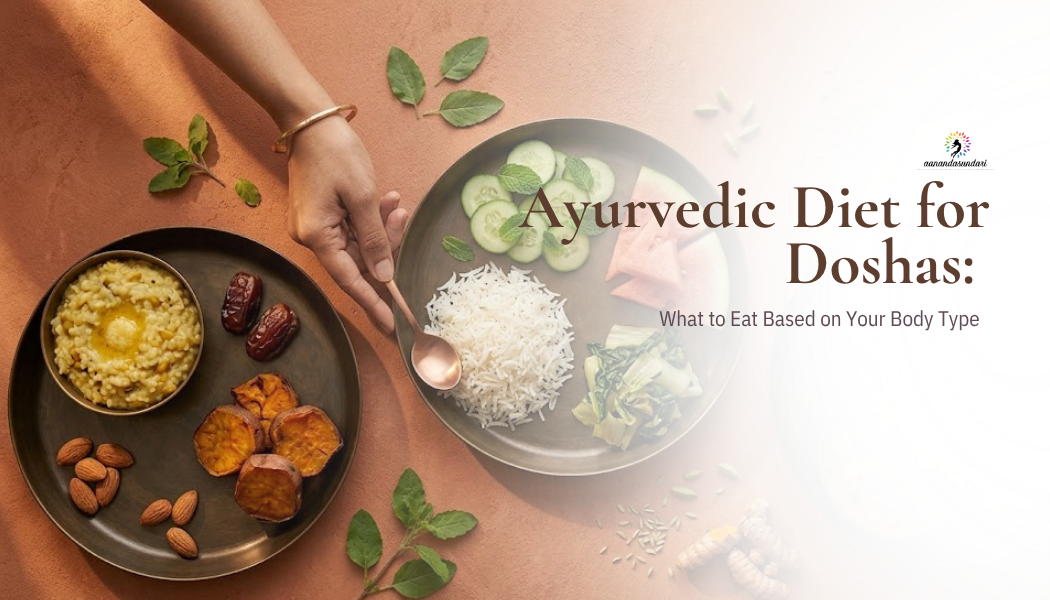
Food does much more than fill the stomach. It affects energy, digestion, mood, sleep, skin, and overall well-being. In Ayurveda, food is not seen as a fixed diet plan for everyone. It is seen as something deeply personal.
That is why the idea of an Ayurvedic diet for doshas is so important.
At Aananda Sundari, a women’s sexual health clinic in Bangalore, we believe that wellness becomes more meaningful when it is aligned with your body’s natural needs. Ayurveda teaches that each person has a different constitution, and the food that suits one person may not suit another in the same way. This is where understanding Vata, Pitta, and Kapha becomes helpful.
An Ayurvedic diet for doshas focuses on bringing the body back into balance through food choices that match your present needs. Instead of following food trends blindly, it encourages you to listen to your digestion, energy, and symptoms. This is one of the most practical parts of the Ayurveda food principle.
What Is an Ayurvedic Diet for Doshas?
Ayurveda describes three doshas — Vata, Pitta, and Kapha. These doshas are the main energies that influence the body and mind. Everyone has all three, but usually one or two are more dominant.
The Ayurvedic diet for doshas is based on the idea that when these doshas are balanced, the body functions better. When they go out of balance, you may notice issues like bloating, low energy, acidity, dryness, heaviness, poor sleep, irritation, or sluggish digestion.
This is why Ayurvedic eating is not only about your permanent constitution. It is also about your current imbalance, also called vikruti. In simple words, you eat according to what your body is experiencing right now.
That is what makes a dosha balance diet so useful in daily life.
How Ayurveda Decides What You Should Eat
Before suggesting food, Ayurveda looks at a few key things:
your natural body constitution
your current dosha imbalance
the season and climate
your digestion and appetite
your lifestyle and routine
This is why an Ayurvedic food chart is never just a random list of “good” and “bad” foods. It is meant to guide you based on how your body feels.
A simple Ayurvedic rule is the law of opposites. If your body feels cold, dry, and light, it may need warm, moist, and grounding foods. If it feels hot and sharp, it may need cooling and soothing foods. If it feels heavy and slow, it may need lighter and more stimulating meals.
That is the foundation of the Ayurveda food principle.
Vata Diet Foods: Warm, Grounding, and Nourishing
Vata is linked with dryness, lightness, movement, and coldness. When Vata is high, a person may feel anxious, constipated, bloated, dry, restless, or easily tired.
This is why Vata diet foods should be warm, soft, moist, and comforting.
Some good Vata diet foods include:
warm soups and stews
cooked rice and oats
ghee and warm milk if suitable
sweet fruits like banana and mango
nuts, seeds, and root vegetables
Vata usually does not do well with:
cold drinks
raw salads
dry snacks
irregular meals
For many women, especially those dealing with stress, dryness, low appetite, or irregular routine, Vata-aggravating food patterns can quietly affect overall comfort. That is why supportive Ayurvedic lifestyle tips matter along with food.
Pitta Diet Plan: Cooling and Calming Foods
Pitta is connected with heat, sharpness, and intensity. When Pitta is aggravated, a person may feel overheated, acidic, easily irritated, inflamed, or overly hungry.
A good Pitta diet plan includes foods that cool and calm the system.
Helpful foods in a Pitta diet plan include:
sweet fruits like pears, melons, and watermelon
coconut water
leafy greens
cucumber
barley, rice, and quinoa
Pitta types should usually reduce:
very spicy food
fried food
sour and salty excess
too much caffeine
A balanced Pitta diet plan is especially useful for people who notice heat-related discomfort, irritability, or acidity during stressful periods. Ayurveda reminds us that food should calm the body, not overstimulate it.
Kapha Diet Foods: Light, Warm, and Stimulating
Kapha is associated with heaviness, stability, moisture, and slowness. When Kapha is high, a person may feel sluggish, congested, low in motivation, or heavy after meals.
This is why Kapha diet foods should feel light, warm, and energising.
Good Kapha diet foods include:
ginger, turmeric, and black pepper
legumes
light grains like millet
leafy vegetables
lightly cooked vegetables
Kapha often benefits from avoiding:
excess dairy
sugary foods
very oily meals
overeating
If someone feels slow, sleepy, or too heavy after eating, adjusting Kapha diet foods can make a real difference. In Ayurveda, even a small shift in food quality can improve the dosha balance diet over time.
Why an Ayurvedic Food Chart Is Helpful
An Ayurvedic food chart makes things easier because it gives structure to daily food choices. Instead of guessing what to eat, you start understanding which foods increase or calm a dosha.
The purpose of an Ayurvedic food chart is not restriction. It is awareness.
It helps you:
eat according to your body’s signals
support digestion
avoid food patterns that disturb balance
make your meals more intentional
At Aananda Sundari, we often encourage women to look at food not just as calories or trends, but as a part of a complete wellness pattern. Digestion, energy, comfort, mood, and intimate well-being are all more connected than most people realise.
Common Mistakes to Avoid in a Dosha Balance Diet
Many people get interested in Ayurveda but make a few basic mistakes:
ignoring their current symptoms
eating “healthy” food that does not suit their body
overeating heavy foods in the name of nourishment
following social media trends instead of body awareness
depending only on food and ignoring routine
A good dosha balanced diet works best when combined with simple Ayurvedic lifestyle tips like regular meals, proper sleep, mindful eating, and eating according to season and appetite.
conclusion
The Ayurvedic diet for doshas is not about strict food rules. It is about understanding what your body needs and making food choices that support balance.
Whether you are exploring Vata diet foods, following a Pitta diet plan, or trying to understand Kapha diet foods, the goal is the same — better digestion, better energy, and a more balanced relationship with food.
At Aananda Sundari, our women’s sexual health clinic in Bangalore, we believe that food is an important part of holistic wellness. A thoughtful Ayurvedic diet for doshas, combined with the right Ayurvedic lifestyle tips, can support not only digestion and energy but also overall women’s well-being in a more natural and sustainable way.
If you want a more personalised approach to wellness, Aananda Sundari can help you understand your body better through Ayurveda-inspired guidance that feels practical, mindful, and aligned with your lifestyle.
Frequently Asked Questions (FAQs)
What is an Ayurvedic diet for doshas?
An Ayurvedic diet for doshas is a way of eating based on Vata, Pitta, and Kapha. It helps you choose foods that support balance in your body and mind.
How do I know whether I need Vata, Pitta,or Kapha foods?
You can look at your current symptoms. Dryness, gas, and anxiety may suggest Vata imbalance. Heat and acidity may point to Pitta. Heaviness and sluggishness may suggest Kapha. A practitioner can guide you more accurately.
Can I follow an Ayurvedic food chart without knowing my exact dosha?
Yes, an Ayurvedic food chart can still be useful if you pay attention to how your body feels after food. It helps you build more awareness even before a full consultation.
Is the Pitta diet plan good for acidity and heat?
A Pitta diet plan is often focused on cooling and calming foods, so it can be helpful for people who feel excess heat, irritation, or digestive sharpness.
Why does Aananda Sundari talk about Ayurvedic nutrition?
At Aananda Sundari, a women’s sexual health clinic in Bangalore, we believe food, digestion, lifestyle, and overall wellness are deeply connected. Ayurveda offers a more personalised way to support women’s health naturally.